8 blends
Cold jugs
Stirred into cold water and poured over ice.
Hibiscus Guava, Hibiscus Guava No Sugar, Horchata, Horchata No Sugar, Lime and Chia, Lime and Chia No Sugar, Marzipan, Marzipan No Sugar

Blended and packed in Mexico
We toast the chiles, mill the cacao, and grind the spices in our kitchen. You open the pouch and stir it into cold water or warm it on the stove.
Tres maneras
Cold jugs for the middle of the day, hot pots for the evening, and dry mole for dinner.
8 blends
Stirred into cold water and poured over ice.
Hibiscus Guava, Hibiscus Guava No Sugar, Horchata, Horchata No Sugar, Lime and Chia, Lime and Chia No Sugar, Marzipan, Marzipan No Sugar
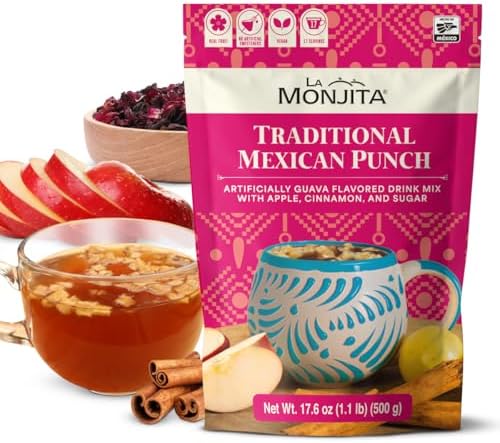
4 blends
Warmed on the stove, ladled into mugs.
Ponche Mexicano, Cafe de la Olla, Mexican Chocolate Chiapas, Mexican Chocolate Veracruz
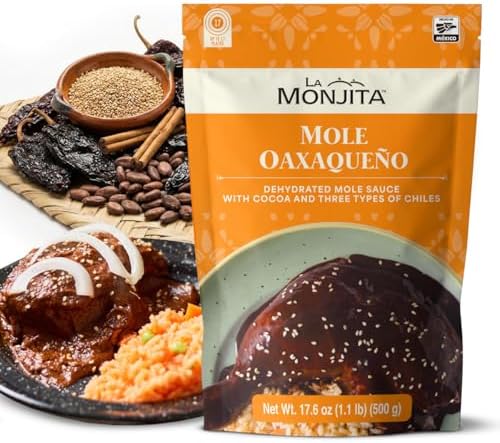
2 blends
Loosened into broth until the surface shines.
Open the pouch, pick your pot or jug, and follow the label.
Scoop the powder into cold water and stir it down. The seeds and ground cinnamon will move around, so drop the ice in after the powder clears.
Set your pot on the stove for the chocolate, the ponche, or the cafe de la olla. Give it some heat, and strain the ground coffee through a fine mesh.
Spoon the dry mole paste into warm broth in a wide pan. Stir until the paste breaks apart, then let it simmer until the surface shines.
An ounce and a half
of powder to one quart of cold water, which is the band most pouches land in. Stir it into a splash first, then fill the jug.
El mercado
Each pouch holds real ground spices, dried fruit bits, or milled cacao that settle naturally when left to sit on the table.
Cold jug
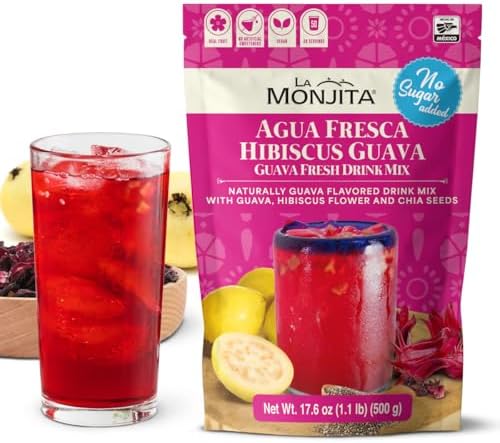
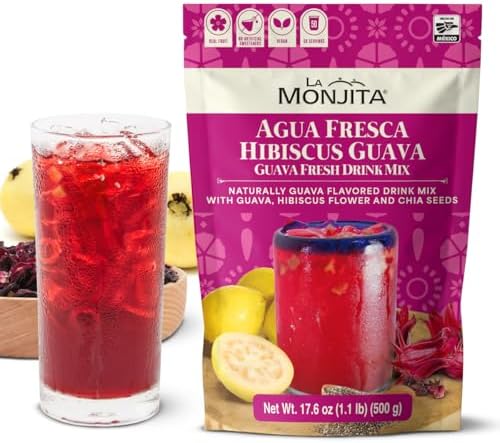
Hibiscus and guava agua fresca with whole chia seeds that swell in cold water to make a deep red drink.
500 g
Cold jug
The same hibiscus, guava and chia jug, blended with no sugar added so the tart flower leads from the first sip.
500 g
Cold jug
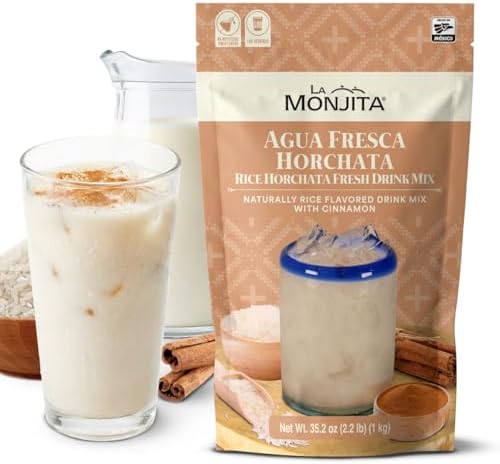
A cold glass of rice, milk and real cinnamon, sweetened lightly and stirred straight into a jug of water.
1 kg
Cold jug
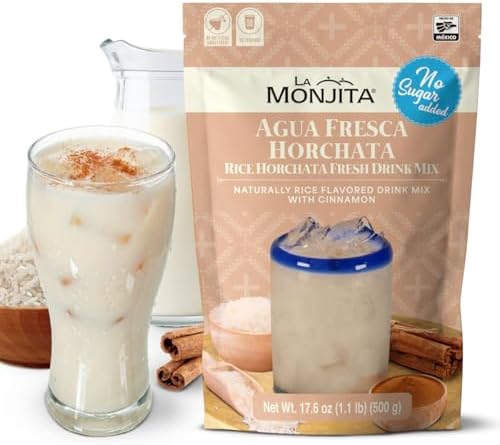
Ground rice, milk and real cinnamon with no sugar added, so the toasted grain and the bark carry the glass.
500 g or 1 kg
Cold jug
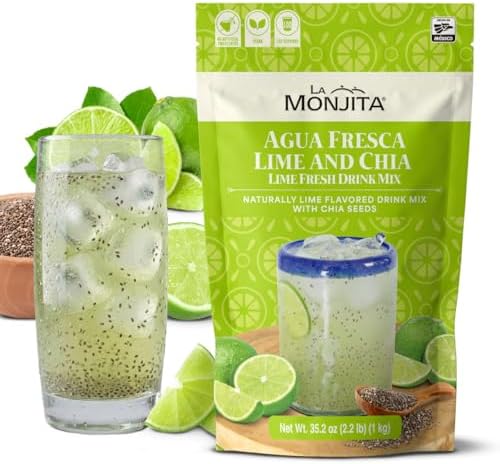
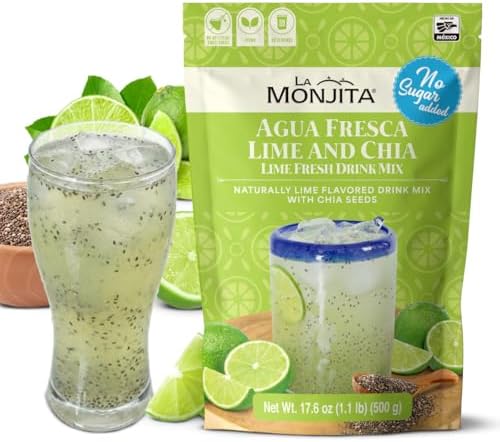
Tart lime and whole chia seeds stirred cold, modeled on the pale green barrels sitting on crushed ice at the mercado.
1 kg
Cold jug
Lime and whole chia with no sugar added, the sharpest jug we blend and the one that cuts through a heavy plate.
500 g or 1 kg
Cold jug
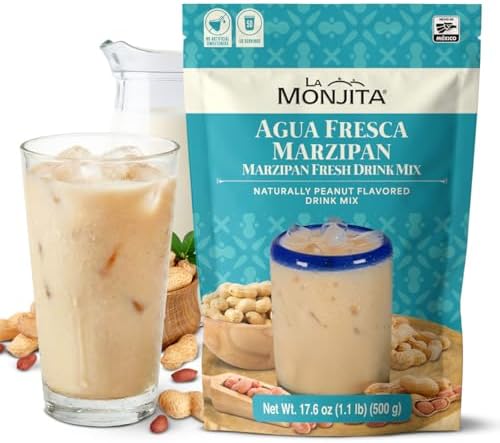
Roasted peanut mazapan candy turned into a cold, creamy glass with milk and a quiet hint of coffee behind it.
500 g or 1 kg
Cold jug
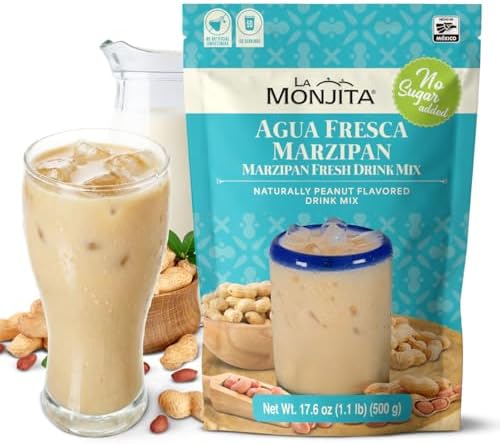
Roasted peanuts, milk and a trace of coffee with no sugar added, so the nut stands where the candy used to.
500 g or 1 kg
Hot pot
Dried guava, apple pieces, hibiscus and cinnamon blended for a hot pot of traditional winter punch.
500 g or 1 kg
Hot pot
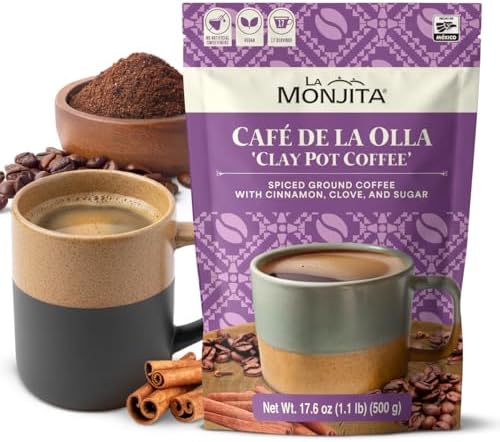
Real ground coffee spiced with cinnamon and clove, ready to steep in a pot or a French press.
500 g
Hot pot
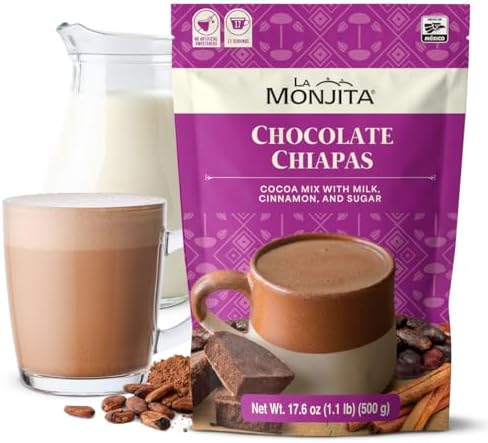
Ground Chiapas cacao with cinnamon and milk, ready to whisk into a pot of hot milk until the surface foams thick.
500 g or 1 kg
Hot pot
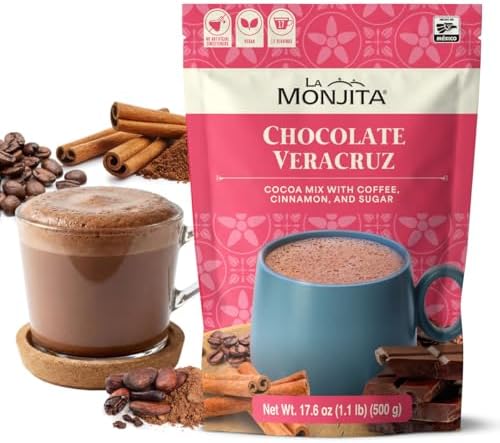
Veracruz cacao ground with coffee and cinnamon, whisked into hot milk for a chocolate with a dark edge.
500 g or 1 kg
Sauce pan
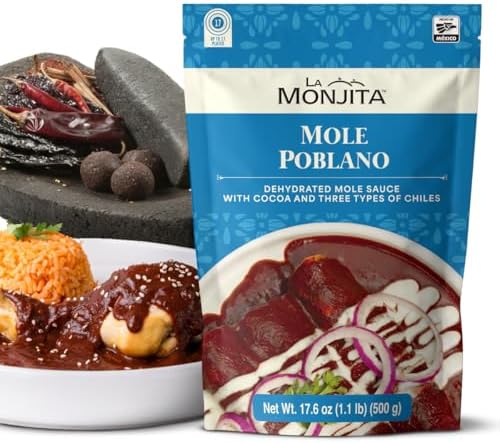
A dry mole mix of three chiles, cacao and toasted tortilla, ready to stir into hot broth and simmer down.
500 g
Sauce pan
A dry mole mix built on toasted tortilla, three chiles and Mexican cacao that simmers into a rich Puebla sauce.
500 g or 1 kg
Most brands sell a bag and leave you guessing what to buy for a crowded table. This table shows how many glasses or plates come out of each pouch.
| Blend | Made in | One serving | Enough for six | 500 g pouch | 1 kg pouch |
|---|---|---|---|---|---|
| Agua Fresca Hibiscus Guava | Cold jug | 10 g | 60 g | 50 servings | — |
| Agua Fresca Hibiscus Guava No Sugar | Cold jug | 10 g | 60 g | 50 servings | — |
| Agua Fresca Horchata | Cold jug | 10 g | 60 g | — | 100 servings |
| Agua Fresca Horchata No Sugar | Cold jug | 10 g | 60 g | 50 servings | 100 servings |
| Agua Fresca Lime and Chia | Cold jug | 10 g | 60 g | — | 100 servings |
| Agua Fresca Lime and Chia No Sugar | Cold jug | 10 g | 60 g | 50 servings | 100 servings |
| Agua Fresca Marzipan | Cold jug | 10 g | 60 g | 50 servings | 100 servings |
| Agua Fresca Marzipan No Sugar | Cold jug | 10 g | 60 g | 50 servings | 100 servings |
| Ponche Mexicano | Hot pot | 29 g | 174 g | 17 servings | 34 servings |
| Cafe de la Olla | Hot pot | 29 g | 174 g | 17 servings | — |
| Mexican Chocolate Chiapas | Hot pot | 29 g | 174 g | 17 servings | 34 servings |
| Mexican Chocolate Veracruz | Hot pot | 29 g | 174 g | 17 servings | 34 servings |
| Mole Oaxaqueno | Sauce pan | 14 g | 84 g | 35 servings | — |
| Mole Poblano | Sauce pan | 14 g | 84 g | 35 servings | 71 servings |
A serving here is a weight, not a glass. We divide the pouch by the number of servings printed on it, so the grams add up whatever size cup you drink from.
A dash means that size is not on the shelf right now.
Tell us what you plan to make and how many people sit at your table. We match the right blend and size for dinner.
We work out of Mexico, where market stalls still grind mole paste by hand and ladle horchata from wide glass barrels. An afternoon over an olla makes a fine drink, but nobody has that time on a Tuesday. We do the roasting and grinding first.
Our pouches hold that dry work so you can make a cold jug or a hot pot in minutes. It tastes like the drink you grew up with, without the stained counter.
14
2009
3
100
A few of these pots share spices or names, but they work quite differently on the stove.
Hibiscus turns up in both, and that is where the mix-up starts.
A cold infusion of hibiscus flowers, one flavor carried on water, poured from the glass vitrolero at a market stall. Ours adds guava and chia to that same red jug.
A hot fruit brew for December: tejocote, guava, apple, sugarcane, tamarind and cinnamon simmered together. Hibiscus is one ingredient in the pot, not the drink itself.
If you brew ponche from whole flowers, lift them out after about fifteen minutes. Leave them in and the pot slides back into tasting like a hot agua fresca.
The honest answer is narrower than the internet suggests.
Oaxaca keeps a whole family of moles, and this is that kitchen: three chiles, Mexican cacao, toasted tortilla, sesame and warm spices, ground for the pan.
The Puebla recipe, the mole most people outside Mexico have eaten, ladled over turkey and chicken at weddings and at Christmas. Same short list of things going in.
We will not tell you which one runs darker or sweeter, because we have not put them side by side and measured it. What does differ is the pouch: the Poblano comes in both sizes, the Oaxaqueno only in the smaller one.
One is the drink, the other is what you do to it.
Ground cacao whisked into hot milk until the foam climbs the mug. Thicker and far more cinnamon forward than cocoa out of a tin, and thin enough to sip.
The same chocolate thickened with masa until a spoon leaves a track in it. Breakfast at a cold market stall, handed over next to a tamal.
Slake the masa in cold water and stir it smooth before it goes anywhere near the pot. Dropped dry into hot milk it seizes into lumps that no whisk will break. Use masa for tortillas, not the coarser tamal grind.
Two chocolate pouches, two cacao regions, one word of difference on the label.
Cacao from Chiapas with cinnamon, built for milk and a whisk. Chocolate and spice, and nothing standing behind them.
Cacao from Veracruz, a region as known for its coffee as for its cacao, and the blend carries that: cocoa with a gentle coffee note under it, plus the same cinnamon.
Pick by what you want in the mug at the end. If a coffee note belongs there, Veracruz has it built in; if the cup should be cacao and cinnamon alone, reach for Chiapas.
Several of the cold jugs come in a pair, and the pouches look almost alike on the shelf.
Lightly sweetened in the pouch, the way the vitroleros at the mercado are poured. Stir it into cold water and it is finished; nothing else is asked of you.
The same fruit and flowers with the sugar left out, so the tart side leads from the first sip. What goes in the jug after that is your call.
The two are not different recipes, they are the same blend with and without the sweetening. If you like to sweeten by eye, or to sweeten some jugs and not others, the no sugar pouch is the one that lets you.
Read our notes on brewing olla coffee, loosening mole into broth, or mixing horchata with water instead of milk.
The pouch tells you how many servings are in it. It does not tell you how much goes in a two quart jug on a Tuesday, and that is the number everybody actually wants.
Hibiscus shows up in both drinks, which is where the confusion starts. One is a cold red jug with a single flavor in it. The other is a December pot with half an orchard going.
Look up olla coffee and you get four recipes with four different amounts of everything. They are all right. The part they agree on is the part nobody writes in bold, and it is what happens to the heat.
Dry mole is not a sauce mix you tip into liquid. It goes through a paste on the way, and the pan does the work in two stages rather than one.
Champurrado is the same hot chocolate with masa stirred through it until a spoon leaves a track. The chocolate half is easy. The masa half has exactly one way to go wrong, and almost everybody finds it the first time.
Both are real answers, and people argue about it because both taste like the horchata they grew up with. What follows is what actually changes in the glass.
We left the complaints in place, and we mark each spot where a longer note was trimmed.
We love agua Jamaica (hibiscus) and also guayaba (guava). This mix has great taste but following the recommended amount to make, it is very sweet. And clearly made with actual guava, the little bits floating in the drink were off-putting.
This ponche tastes amazing. Just add hot water and stir. You can't beat it! Made ponche last Christmas from scratch...this tasted just as good and 100x easier.
I have never really liked coffee but when I was in Cabo, I tried some Cafe de olla and really enjoyed it. This is similar but it is pretty sweet. Sometimes I mix it with regular coffee and that helps not make it so sweet.
This was surprisingly good. And very easy to make. Though I wanted to actually COOK the chicken w/ the Mole, not just use as a topping, so I made it thinner so while the chicken was baking in it it thickened up.
Answers about sediment, pan heat, and how these dry mixes behave.
That is the drink working properly. Horchata is ground rice and settles; the hibiscus and lime blends carry whole chia that swells and hangs in the water. Give the jug a stir before each pour rather than straining it out.
Dry powder hitting a full jug always clumps. Work the scoop into a small amount of water first, stir it to a smooth slurry, then top the jug up. This is the fix for every pouch in the line, cold or hot.
No. Cafe de la Olla is real ground coffee with cinnamon and clove milled through it, not an instant powder. Brew it as coffee, in a French press or a pot, then press or strain. Coarse grind, and do not let it boil.
The sweetening is already in the grind, so there is nothing to leave out at the stove. Two things work: use less powder for the same amount of water, and for the coffee, cut it with plain grounds in the same press. The panel on the pouch has the exact figures.
The method most recipes use: work about three parts powder with one part warm broth and one part water into a thick paste in the pan, then loosen that paste with roughly three times its own volume of hot broth. Simmer around twenty minutes and keep the spoon moving, because ground seeds and cacao catch on the bottom. It tightens as it stands and tightens again in the fridge; hot broth opens it back up.
Water is the traditional way and the way this blend is built. Milk makes it heavier and rounder, which some people prefer. Either way it goes into cold liquid, never hot.
Buen provecho
Skip the long afternoon at the stove and pour something real. Keep a pouch in the pantry for whenever company stops by.